

Seborrheic Dermatitis is a chronic inflammatory skin condition that I have had for 10 years. I still have it, and I am used to it, as after years of medication, I found out that there is no cure for this condition.
Before I tell you my story, let’s understand what exactly this condition is.
So basically, it is an inflammatory skin condition associated with a type of yeast called Malassezia; it is a type of yeast that normally lives on everyone’s skin.
This yeast feeds on oil or sebum, and it is commonly found in oily areas like your scalp or beard area.
So what it does is eat your sebum and release its waste, or byproducts, as fatty acids like oleic acid, which isn’t good for oily skin.
After seeing this, your immune system reacts to these byproducts, resulting in an inflammatory response that disrupts your skin’s outer layer.
This leads to redness, itching, and fast flaking of the skin cells in that particular area.
So if everyone has this yeast on their skin, then everyone must have this infection?
Well, that’s not true, and before blaming this yeast, let me tell you why this happens.
Several factors can cause this infection; let’s understand them one by one:
The immune system reacts differently: In people like me, the immune system reacts differently than in others, which causes a stronger inflammatory response to Malassezia or substances produced when the yeast interacts with sebum.
Skin barrier defects: Our skin has an outer protective layer, and in people prone to SD, this barrier can be more easily disrupted by the fatty acids.
Excess sebum: Malassezia needs lipids (fats) from sebum. That’s one reason SD tends to occur in oilier areas.
So having oily skin or Malassezia yeast on the skin doesn’t mean everyone will develop this condition by default; it depends on how your body reacts to it.
But people with susceptible skin can have this skin disease due to an overactive immune response.
You can read more about this condition in the Cleveland Clinic’s article, where they covered the scientific part more accurately.
When I first found out I have it
When I was in 5th grade doing my homework, I used to see some flakes on my notebook. At first, I didn’t even bother to care about it, but when the itchiness in my scalp increased due to this, I told my mother about it.
And she used to give me a head massage with coconut or Amla oil, as it was simple: you see dryness in your scalp, you apply oil to reduce the dryness.
And after the head massage, I used to keep it on for at least one hour, and then I would wash it off with shampoo.
First, I saw that the dandruff had cleared up, but usually after 2 days it came back stronger, with more itchiness and flakes, and I just did the same: applied oil and washed it off with shampoo again.. and again.
When this did not work, I tried home remedies like lemon and curd, which also failed, and I also tried a jadi buti paste, which was specifically for dandruff, that also failed.
And things got worse; my scalp had redness that looked like I had some kind of temporary infection, which will be fixed when I consult a doctor.
What Doctor Said
I consulted an Ayurvedic doctor, and he gave me some medicines; I don’t know what they were, as I was in sixth grade at that time, and I also stopped applying oil to my head, as I used to hate applying oil.
The condition moderately improved as I stopped applying oil to style my hair daily and only applied in weekends while doing a head massage until my 9th grade. My diet was garbage; I used to eat a lot of junk food and oily foods, which triggered a massive inflammation on my scalp.
Then I consulted a dermatologist, and he carefully analyzed my scalp condition and confirmed that it was seborrheic dermatitis. He prescribed me a 2% Ketoconazole shampoo along with an antifungal lotion and some oral medicines.
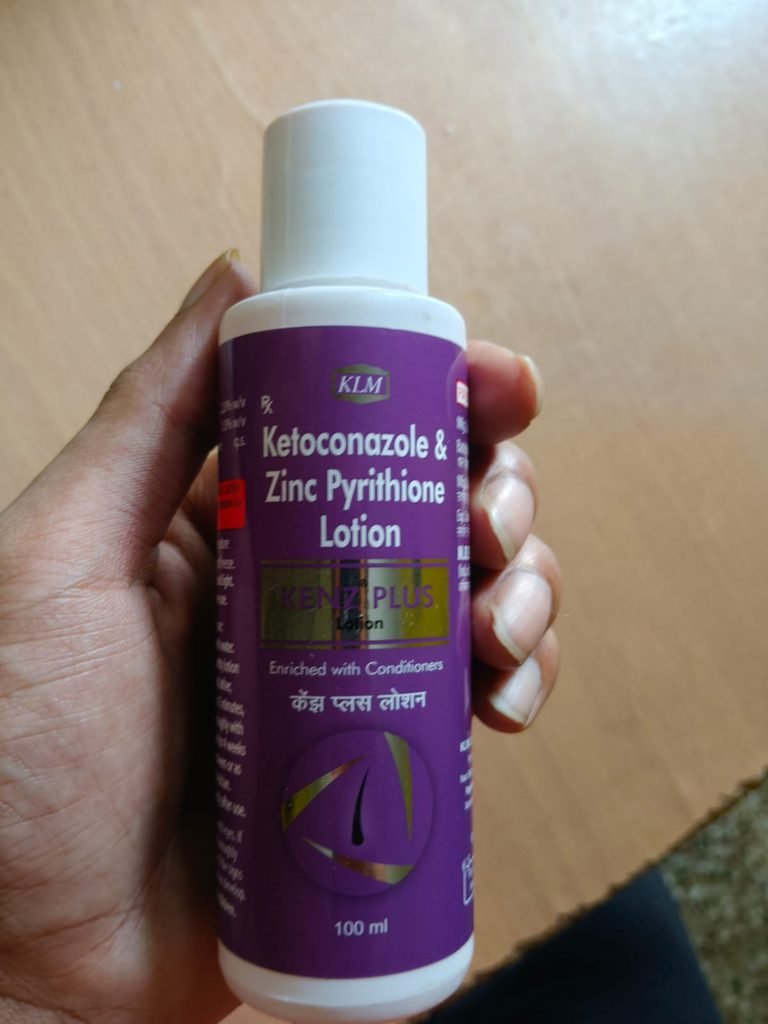
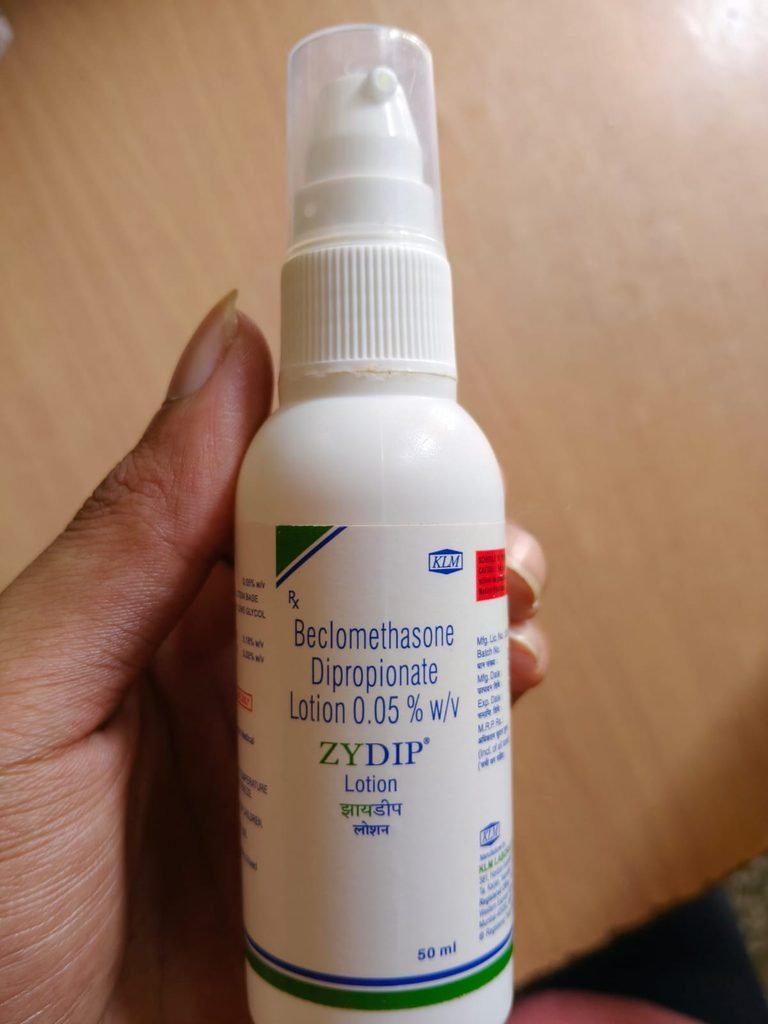
He told me to use the shampoo during the day and the lotion at night on alternate days, to take oral medicines daily, and to avoid applying oil to my scalp.
The shampoo had no foam and was strong, and I had to keep the shampoo on my scalp for at least 3 to 5 minutes, as instructed by the doctor to let the shampoo work.
I also improved my diet, as I was facing skin problems too due to my bad diet.
I did this consistently and saw results in just 2 weeks. All the dandruff and flare-ups were cleared, and the red patches, especially, were also not visible on my scalp.
After 1 month of following the routine, I returned to the dermatologist for a check-up, as he had told me to return after 30 days. He checked again, and my scalp condition was much better than before.
He instructed me to continue with the routine and visit him again, and I did, and it was all good again.
Also, to mention that my diet was clean too; I wasn’t having junk food daily, but occasionally.
The inflammation was gone within 2 months, and I was not seeing any sign of dandruff or redness on my scalp.
I thought it was permanently fixed, and I could go back to my normal routine. I finished all the medicines, shampoo, and lotion, so I went back to my normal hair products.
But within 2 weeks, the flare-up and inflammation on my scalp came back. It looked mild at first but got more severe week after week.
I consulted the dermatologist again, and he gave me the same prescription: the shampoo, lotion, and oral medicines.
To make things short, I only saw results and got relief from this condition when I was using the medicines, but when I stopped them, the condition came up again and again.
It was like a loop, and then I gave the dermatologist a final visit and described my whole situation to him, and he told me to use the Ketoconazole shampoo only and to leave the other shampoos.
I had the ketoconazole shampoo, and I used it once a week; the rest of the time, I used normal shampoo, as that medicated shampoo was making my hair too dry.
Well, the condition was still there on my scalp and was also visible on my neck and upper chest area, and it did not improve at all.
So what did I do for my condition?
Well, I started researching about this condition on YouTube and online forums for a cure to this condition. I did not find any cure for this, but I found some things and tips that I follow to this day to manage it.
Let me summarize it for you:
- Applying oil can make the condition worse, as already mentioned.
- Your diet plays a very major role in this.
- Some natural home remedies can fix the hair damage and dryness caused by the medicated shampoo.
- Also found an oil called MCT oil that is wonderful for reducing inflammation and dandruff.
First, let’s talk about diet. Your diet plays a very important role in this skin condition, as if you eat oily foods or foods that increase sebum or inflammation (like dairy or sugary foods) can result in massive flare-ups or dandruff on your skin or scalp.
So, what I did for my diet:
- Reduced dairy consumption
- Avoided sugary and oily foods altogether.
- Started eating a lot of veggies
- Increased my daily water intake
I saw drastic changes in my scalp condition. The inflammation and the dandruff were reduced. But sticking to this routine was tough for me, as cutting dairy was not easy for me.
So I will discuss how I manage my condition currently and what’s my routine is to take care of my scalp and skin. I will include everything from home remedies to products I currently use and my diet too.
How do I currently manage it?
My diet is now usually clean, but dairy is the thing I cannot skip. I love having tea and coffee while working, so managing the condition requires me to use the Ketoconazole shampoo once a week only, and for the rest of the week I don’t use normal shampoo; instead, I use a natural herbal shampoo made using three ingredients: amla, ritha, and shikakai powder.
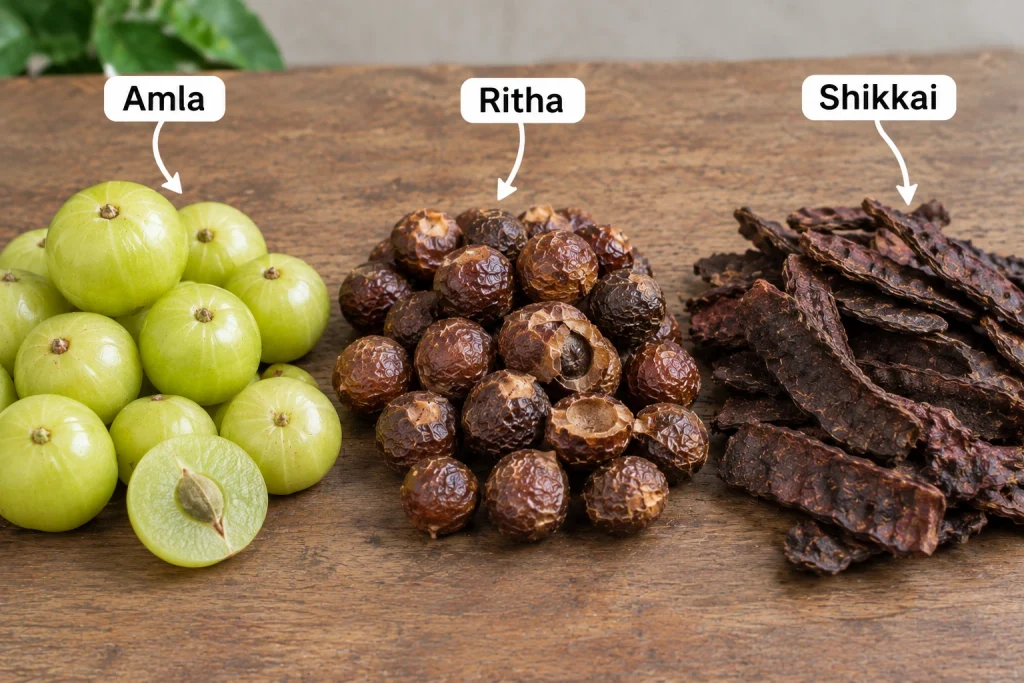
This shampoo is the best thing I have ever used for my hair because:
- Amla is packed with vitamin C and antioxidants, which promote hair growth and prevent premature greying of hair.
- Ritha, or soapnut, contains a natural plant compound called saponins that produce a mild lather or foam to wash away dirt and excess oil without drying out the scalp.
- And shikakai acts as a natural pH-balanced conditioner that detangles hair, reduces frizz, and soothes an itchy or flaky scalp.
This is a perfect combination for my hair, and they are now healthier than before.
You can check out the ready-made shampoo at amazon.
I have dryness and red patches on my neck, chest, and beard areas too. For that, I use an oil called MCT, or medium-chain triglyceride oil.
But how does an oil help, as this fungus feeds on oil? Look, this oil is different.
As we all know, seborrheic dermatitis is driven by an overgrowth of Malassezia yeast on oily areas of the skin, and applying standard plant oils like olive oil, argan oil, or regular coconut oil usually worsens the condition, but purified MCT oil acts as a “Malassezia-safe” moisturizer.
Here’s why:
It Starves the Fungus
Malassezia yeast cannot make its own fatty acids, so it gets them by feeding on the oils found on your skin. However, the yeast can only use certain fatty acids that contain 11 to 24 carbon atoms.
Think of carbon atoms as the small building blocks that make up a fatty acid.
MCT oil is mainly made up of Caprylic Acid (C8) and Capric Acid (C10), which contain only 8 and 10 carbon atoms. Because these fatty acids are shorter than what Malassezia can use, the yeast cannot feed on them.
It is Antifungal
Research shows that medium-chain triglycerides, such as caprylic acid (C8) and capric acid (C10) interrupt the growth of Malassezia yeast, helping to reduce the overall fungal population on the skin surface.
This oil was like a cheat code for me, and I did not believe that it would work, as using any type of oil made my condition worse.
I applied it overnight on my scalp when I first bought it and left it, then washed my hair with my homemade shampoo, and this combination cleared my scalp not entirely, but almost cleaned it.
The inflammation and redness reduced, and there were no signs of dandruff on my scalp. Now I also use it on my other affected areas, like my upper chest and beard area, and it works well.
I found out about this oil from a Reddit post in the SebDerm subreddit where one user was talking about his experience with this oil and how it worked well for him too.
I saw several good reviews and comments and that post too, so I decided to buy the oil.
Note: If you decide to try it, check the label carefully. Many commercial MCT oils retain Lauric Acid (C12). Because C12 falls into the 11-24 carbon range, Malassezia will eagerly feed on it, which can cause a severe flare-up. Ensure your bottle explicitly says it contains only C8 or C10 or both.
Here the best MCT oil you can use.
Here’s a summary of my routine:
- I use ketoconazole 2% shampoo once a week.
- I use the natural amla, ritha, shikkai shampoo twice a week.
- Use MCT oil on Tuesday and Saturday (apply overnight)
- I consume very little sugar and have reduced my dairy consumption.
- I avoid junk and oily foods altogether and only eat them occasionally.
And that’s the routine I currently follow to manage my condition, and so far, it has worked well for me.
I can’t say that this routine will work for everyone, and I’m not a doctor. What works for me may not necessarily work for you, especially because seborrheic dermatitis can affect people differently.
If you’re experiencing symptoms that you think may be seborrheic dermatitis and haven’t seen a dermatologist yet, I strongly recommend getting a proper diagnosis first.
Once you know what you’re dealing with, you can discuss appropriate treatments and remedies with a qualified healthcare professional before trying anything new.