

Looking for natural remedies for seborrheic dermatitis? I have been dealing with this condition for more than 10 years and it’s like a journey for me, and I still have it.
During this time, I have found many natural home remedies to take care of my scalp. I will share them with you all too:
1. Head Massage with MCT Oil
MCT oil is one of the best things you can try to manage seborrheic dermatitis on your scalp and any other areas of your body, as this oil is different from other regular oils.
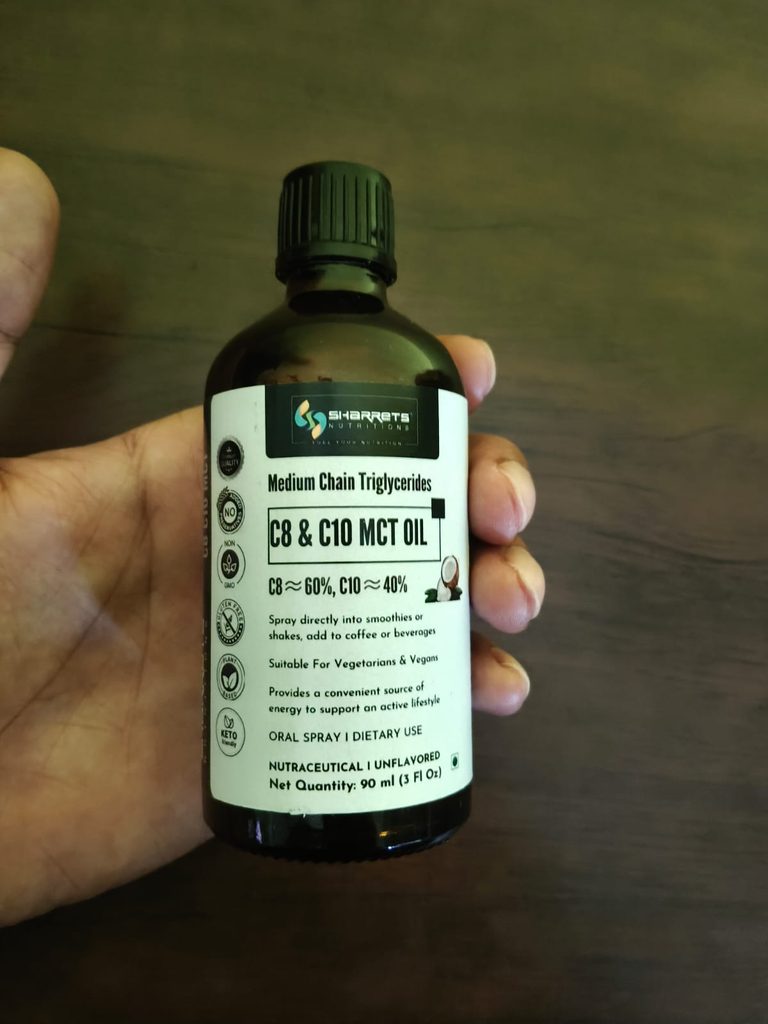
As we all know, seborrheic dermatitis is caused by the overgrowth of the yeast called Malassezia, which feeds on sebum, and applying regular oils can help this yeast grow.
But MCT, or medium-chain triglycerides oil, has been proven to interrupt the growth of Malassezia yeast, as it contains Caprylic Acid (C8) and Capric Acid (C10), which contain only 8 and 10 carbon atoms, and this yeast can only feed on certain fatty acids that contain 11 to 24 carbon atoms.
So, I just gently massage MCT oil into my scalp, making sure that the scalp was covered without aggressively rubbing or scratching it. After leaving it on for some time or overnight, I washed it off with naturally made shampoo using amla, ritha, and shikakai, or sometimes with Ketoconazole shampoo.
2. Neem Paste Mixed with Curd and Borax Powder
This was one of the first remedies I tried for seborrheic dermatitis. It is a mixture of neem paste, curd, and a small amount of borax powder.
I used fresh neem leaves to make a paste and mixed it with curd. I then added borax powder to the mixture and applied it to my scalp.
I found this combination useful when my scalp was irritated and flaky, and this remedy helped me to calm my scalp and made the symptoms easier to manage.
I found this remedy from this YouTube video:
However, because everyone’s scalp can react differently, I would recommend doing a small patch test before applying any homemade mixture to the entire scalp.
Borax is also not a standard, medically recommended treatment for seborrheic dermatitis, so I would treat this as a personal-experience remedy rather than an established treatment.
3. Aloe Vera Gel
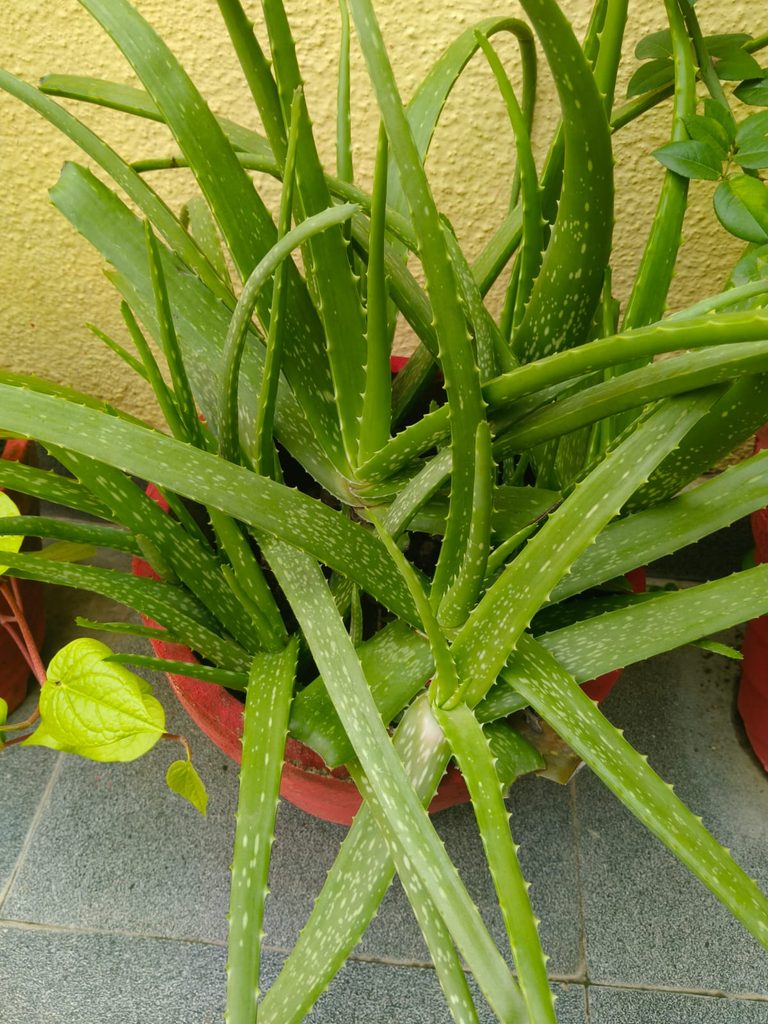
Aloe vera gel was another remedy I tried.
I applied aloe vera gel to my scalp and found it soothing, particularly when my scalp felt irritated.
This gel helped to reduce the redness and inflammation in my scalp, and you can simply wash it off with water if you have short hair.
I do the same; as I have short hair, it also helps to moisturize my hair.
4. Apple Cider Vinegar
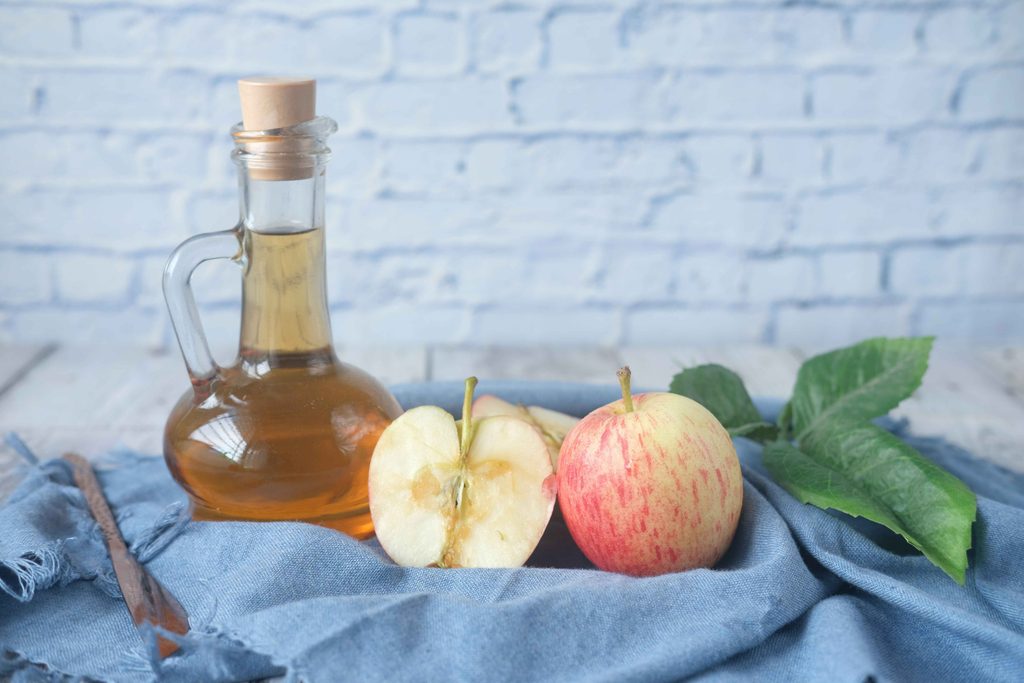
I used it as part of my scalp-care routine and found it useful for keeping my scalp feeling cleaner and more comfortable.
Because apple cider vinegar is acidic, I would not recommend applying it directly to the scalp in a strong, undiluted form. A diluted solution is much gentler, and it is important to stop using it if it causes burning, redness, or increased irritation.
What remedies do I currently use?
So, these are all the remedies I have tried, and they have worked well for me. Of these, I currently use the first remedy, which is MCT oil.
It has now become a part of my routine, and I use this oil on my scalp and other affected areas like my neck and beard. This oil has worked for me and has helped manage my inflammation and redness the most out of these remedies.
My routine is now simple:
- I use the MCT oil on my scalp every Tuesday and Saturday and leave it overnight, then wash it off with homemade or ketoconazole shampoo.
- Use ketoconazole 2% shampoo once or twice a week, according to my scalp condition, and on the rest of the days I use natural homemade shampoo using amla, ritha, shikakai.
- No high-sugar or oily meals; I just have them occasionally.
- I consume fewer dairy products as they increase sebum.
That’s it; this is the weekly routine that I follow to manage my seborrheic dermatitis, and it works really well for me.
And one thing to remember that seborrheic dermatitis is a chronic, recurring condition. It can improve and even clear for periods of time, but it can come back later.
Cleveland Clinic describes seborrheic dermatitis as a lifelong condition with flare-ups and states that there is currently no cure, although treatments can help keep it managed.
That is why I don’t look at these remedies as a permanent cure. They are things that helped me manage my symptoms and keep my scalp under control.
And that distinction is important: natural remedies may be useful for managing symptoms, but they should not be presented as a cure for seborrheic dermatitis.
If your symptoms are severe, persistent, painful, infected-looking, or don’t improve with self-care, it is worth speaking with a dermatologist rather than continually trying new home remedies.